October 18: Doburoku (home-brewed Sake) festival by Mie
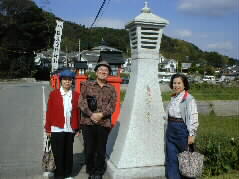
This is Shirahige (white beard) bridge in Ohta village. A festival banner is tied to the red parapet of a small bridge and fluttering in the breeze.
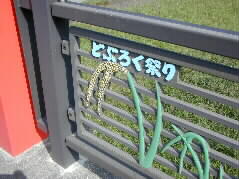
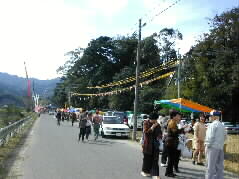
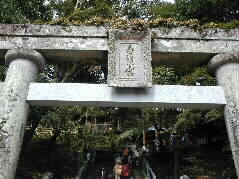

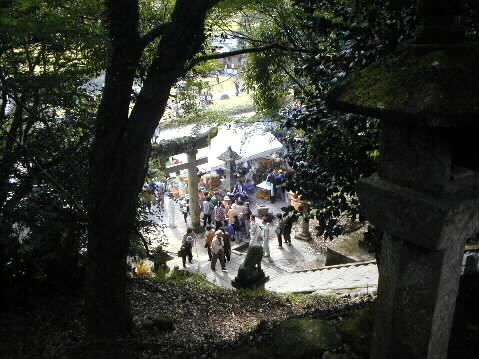
The well-known festival of the shrine dates back to 710 AD. they say. The Torii (a gateway at the entrance to a Shinto shrine) is covered with thick moss and fern, giving very old impression. Doburoku is permitted to brew only several points all over Japan and this is only place in Kyushu Island. It is said many visitors come to the shrine from various parts of Japan.

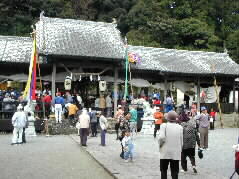

The home-brewing starts on September 25th with a ceremony by Shinto priests, then set about for preparation on October 1st. After two weeks, it turns to Doburoku equivalent to the amount of about 1,500 litters.
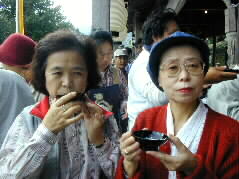
We were also served white Doburoku with black wooden cups. The rice grain still holds its shape in the liquor and the taste was somewhat saur and sweet. The Doburoku festival represents the wish for rich harvest and longevity.


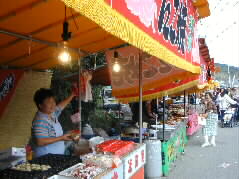
We looked around the stalls. Lovely kindergarten kids were selling sweet potatoes they grew in the garden. "Please buy our sweet potatoes", they shout in lovely voices.
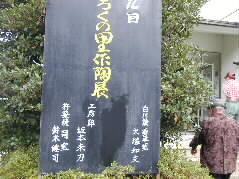

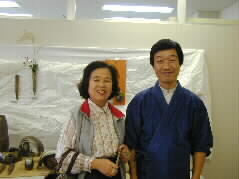
As I have learned pottery several years ago from Mr. Kenji Suzuki for a while, his pottery was
very familiar to me. He explained his pottery in detail. Many unusual-shaped flower stands like this were exhibited this time. He said he used glazes taken from the ash of orange tree or bamboo near his house. They have very smooth texture. I bought pieces of small dish as souvenir.
Kitsuki pottery: Tsukasa Oven ; Ouchi Kitsuki City phone 0978-63-3023
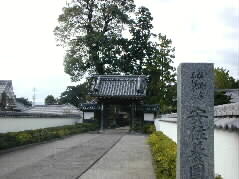
On the back way home, we dropped in Kitsuki City in which Mr. Suzuki lives. We visited well- presereved Samurai housings and streets in Edo era. Samurai town and Temple Street follow Kitsuki castle on the top of a hill. In the valley are shopping streets. There are five temples on Temple Street arranged in order of grade. We looked around some of them and made some Haikus.
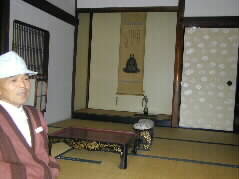
A Samurai house, "Ohara House", is well presereved and opened to public. It had been actually used as a residence until some ten years ago. The modification was made only in the bathroom; it was turned to Edo era style. "The preservation status is so good that most reserachers are admired" Mr. Nogami, a volunteer staff of the House, explained in the guestroom of the House. He also told us many interesting life styles in Edo era.
Ohara House: 207 Kitsuki, Kitsuki City phone 0978-63-4554